Spaces · Collections · Looking
Galleries & art museums
Every exhibition space makes a different invitation. Learn what to expect from museums, commercial galleries and independent venues—and find a pace that leaves room to look.
There is no single correct way to visit. A little context and practical planning can make the experience more rewarding.
Explore art destinations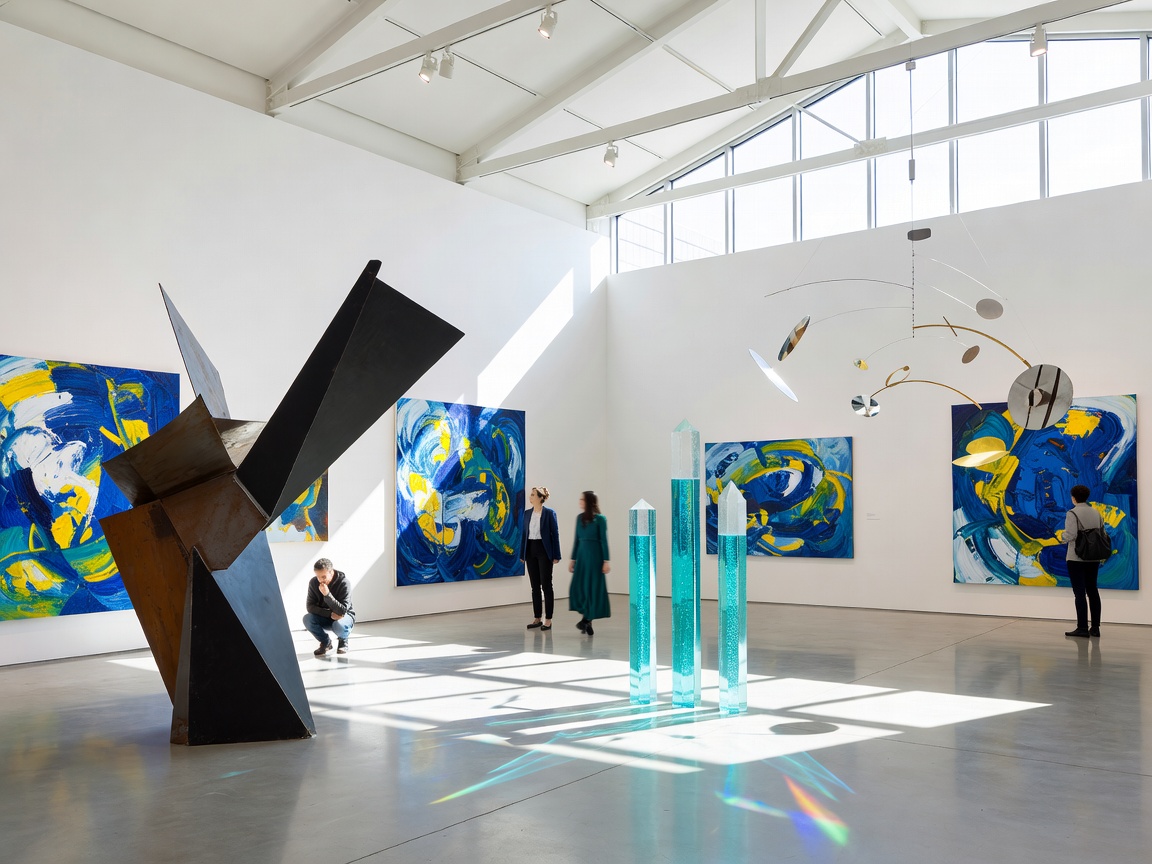
A guide to different kinds of spaces
Start by noticing the purpose of the place
An art museum is often responsible for a collection and may connect exhibitions to research, conservation, learning and public programs. Some museums focus on a region, period or medium; others present a wide range of contemporary practice. A collection can offer a longer view of how ideas and art histories develop, while a temporary exhibition creates a more focused encounter.
Commercial galleries present artists’ work within a commercial context. They can be useful places to see current practice at close range, learn about an artist’s work and, where appropriate, ask questions. A gallery is not necessarily a shop floor: visitors are generally welcome to look, and expectations vary by venue. Follow any posted guidance and be considerate of staff and other visitors.
Independent, artist-led and project spaces may experiment with format, collaboration and exhibition-making. They can have less predictable opening patterns, smaller teams or access by appointment. Check the venue’s own information before setting out rather than assuming conventional museum hours.
Make a visit work for you
Before you go, check current exhibitions, opening days, admission and booking requirements on the institution’s official website. Look for information about step-free access, seating, lifts, quiet spaces, sensory conditions and assistance. If a detail is important to your visit but is not clear online, contact the venue directly. Access arrangements differ and may change.
Think about how much time you want to spend. A large museum can be a full-day visit; it is often more enjoyable to choose a few galleries or a particular exhibition than to try to see everything. In a smaller space, take time with the work and read available interpretation without feeling obliged to follow a prescribed route. Check photography rules and keep a respectful distance from artworks.
Look beyond the label
Wall texts and captions offer helpful context, but they are only one way into an artwork. Notice scale, material, placement and the relationships between pieces. Consider what changes as you move through the room. If the venue offers a tour, talk or audio guide, decide whether it suits your interests and schedule.
Architecture also shapes the experience. Daylight, room proportions, thresholds, circulation and acoustics all affect how works are encountered. Take breaks when you need them. A café or bookshop can extend a museum visit, but a quieter moment in a gallery may be just as valuable.
Plan with care
- Confirm the details: check hours, ticketing, exhibition dates and visitor guidance close to your visit.
- Choose a manageable route: group nearby venues and leave time for travel, meals and rest.
- Consider access: verify the route, facilities and support that matter to you with the venue.
- Be present: respect photography policies, staff guidance and the experience of other visitors.
Good for
First-time visitors can pair a major collection with a smaller gallery to compare approaches. Repeat visitors might follow a medium, theme or artist across different institutions. Architecture-minded travelers can pay attention to how a building changes the way art is displayed. Whatever your interests, one thoughtful visit can be more satisfying than a rushed sequence of venues.
Institutions and programs evolve. Treat this guide as general orientation, not a listing of current exhibitions or a substitute for official visitor information.
Choose your starting point
Three ways to spend an art day
Let the kind of encounter you want shape your route.
Collection and context
Spend time with a museum collection, then choose one temporary exhibition or public program that adds another perspective.
Current practice
Visit a cluster of galleries or project spaces. Check opening details first, and allow room for a conversation or unexpected discovery.
Art in the city
Combine an indoor exhibition with a public artwork or cultural space. Notice how the setting changes what you see.
Take a slower route
Choose one venue and give yourself time to pause, read, revisit a work and rest between rooms.