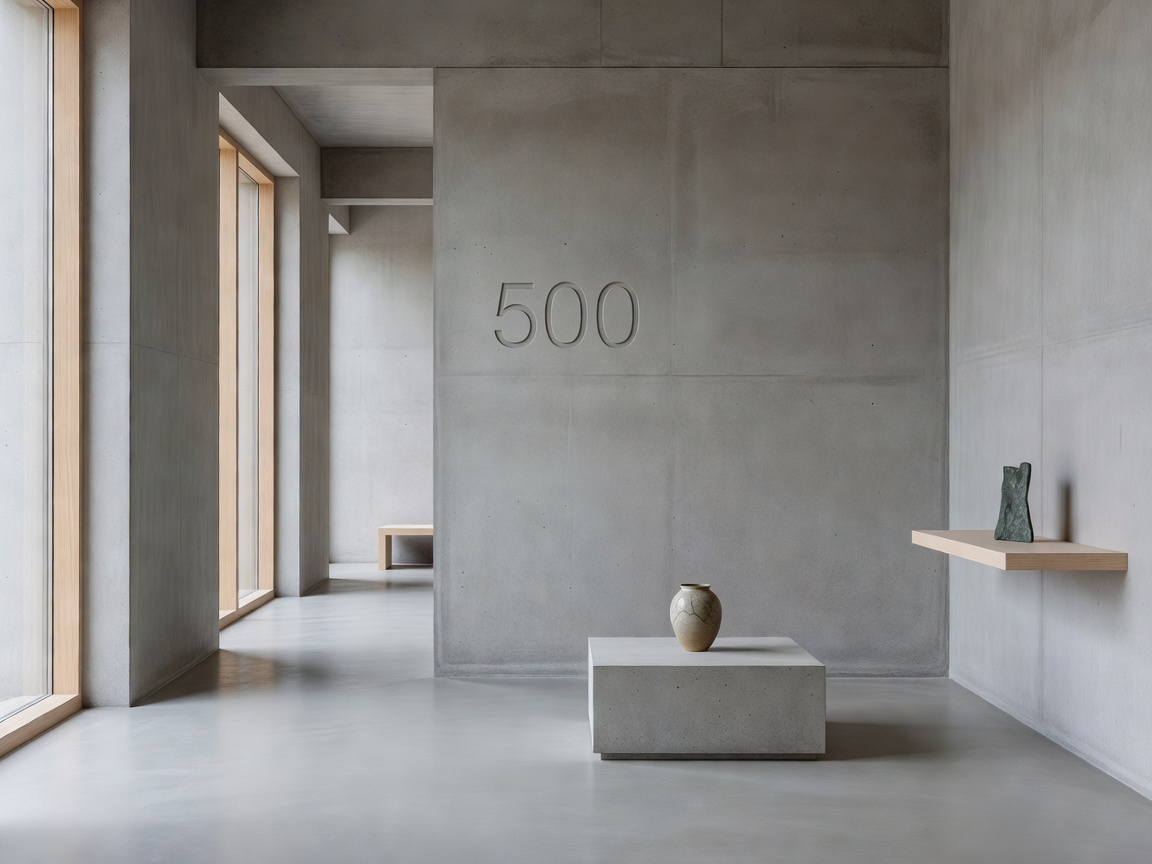
Nordic perspective
Helsinki
Consider how design, architecture and contemporary exhibition practice meet. Check location and transit for each venue.
Field guide · Europe
A city becomes an art destination through more than a famous museum. Look for the relationships between institutions, artists’ environments, public space and everyday city life.
Use this guide to shape a route around your interests—not to rank cities or chase an imagined definitive list.
Explore gallery formats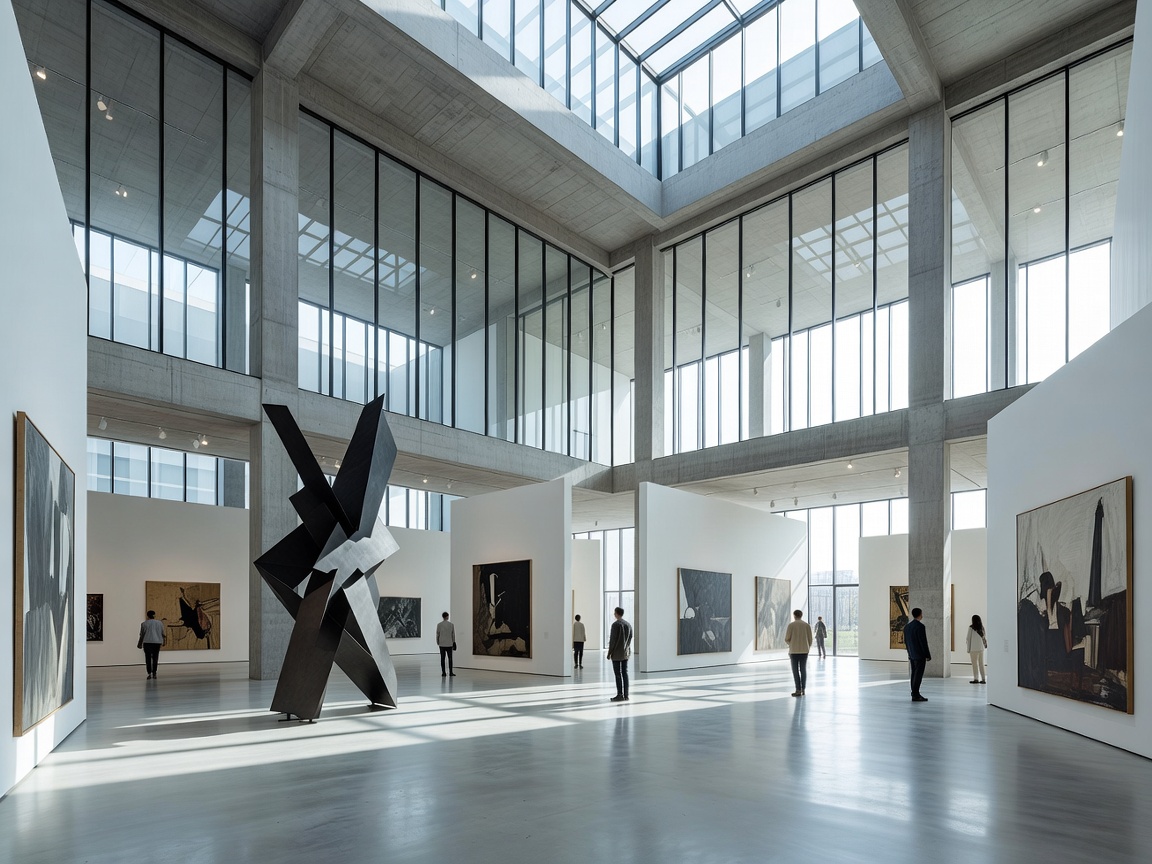
Start with the kind of encounter you want
A contemporary art destination is not simply a place with many exhibition buildings. It offers ways to encounter art across different scales: a public museum with a collection, a commercial gallery focused on current practice, an artist-led project space, a public commission or a cultural center bringing communities together. The character of a visit comes from the mix—and from how that mix connects to the city beyond the gallery door.
Large institutions often provide curatorial context, research resources and exhibitions designed for broad audiences. Tate Modern in London, Centre Pompidou in Paris and Hamburger Bahnhof in Berlin are real institutions with distinct histories and programs; each should be approached through its own current visitor information. A smaller gallery may have a more concentrated program and a closer connection to a particular artistic community. Neither format is automatically more meaningful. Consider the kind of encounter you value, and allow for a range.
Museums may care for permanent collections while also presenting temporary exhibitions, public learning programs and research. Commercial galleries generally present artists’ work within a commercial context, but their rooms can also be places for careful viewing and conversation. Independent and artist-led spaces may experiment with format and scale. Their opening patterns can differ from those of major institutions, so verify access directly rather than assuming a regular schedule.
Public art makes a different proposition. A sculpture, mural or temporary urban installation shares space with commuters, neighbors and visitors. Its meaning is shaped by location, maintenance and the rhythms of the street. Look, pause, and avoid treating residential areas or working venues as scenery for photographs.
Berlin is often approached through its variety of museums, commercial galleries and industrial-scale spaces. The city is extensive: group visits by area and account for transit time. Paris combines established institutions, commercial galleries and smaller initiatives; a focused neighborhood day can be more satisfying than crossing the city repeatedly. Copenhagen offers opportunities to connect contemporary art with design and architecture, while some cultural destinations require travel beyond the central city. Amsterdam’s museum institutions are widely recognized, but a fuller picture comes from looking beyond the most visited streets.
Vienna brings contemporary culture into conversation with a strong historical architectural context. London offers a wide range of institutional and independent settings, but journeys between venues can be substantial. Helsinki can suit visitors interested in contemporary Nordic approaches and design; Lisbon combines contemporary venues with a layered urban fabric. Basel has an internationally oriented art ecosystem in a compact setting, though event periods can change the city’s pace. These are starting points, not fixed identities: programs evolve, neighborhoods change, and individual tastes differ.
Creative neighborhoods matter because art is made, discussed and supported beyond exhibition rooms. Studios, workshops, bookshops, cultural centers and informal meeting places create conditions for creative work. In some districts, former industrial buildings have been adapted for cultural use. Adaptive reuse can preserve material traces while giving a structure a new purpose, but it does not mean every old factory is an active arts hub. Research actual venues and respect the fact that people live and work there.
Architecture influences how a work is experienced. A daylight-filled hall, a dense sequence of small rooms and a converted warehouse each create different conditions. Notice circulation, thresholds, acoustics and places to rest. A destination’s cultural character can include civic spaces, libraries, public commissions and design institutions as well as art museums.
Choose one or two anchor visits, then add places that are geographically compatible. Check each venue’s official source for current opening arrangements, admission requirements, exhibition dates, photography rules and accessibility information. Public transport is often useful for longer journeys, while walking reveals the transition between districts. Allow time for step-free routes, rest breaks and transfers; venue accessibility and transport conditions vary, and details may change.
Budget beyond admission. Consider transit, food, cloakroom or booking conditions, and whether a paid exhibition is a priority. Some galleries may offer free entry, but do not assume every institution does. Seasonal cultural programming, school holidays, major fairs and local festivals can affect availability and crowd levels. Verify dates rather than planning around an outdated calendar.
A city’s reputation is not a guarantee of personal fit. Ask what you want to see, how far you are comfortable traveling and how much time you can give each place. Smaller venues can have limited access, while major institutions may require advance planning. Check official information close to your visit; do not rely on old listings for hours, prices or programs. Leave gaps in the schedule. One generous encounter can be more memorable than a hurried sequence of rooms.
Evaluate a destination beyond its headline names: Can you move between cultural sites comfortably? Is there a mix of institutional and independent perspectives? Does public art invite thoughtful engagement? Are accessible alternatives and rest points clear? The answers will help you create a trip suited to you, rather than a borrowed ranking.
Compare through place
Use these visual prompts as ways to imagine a visit; they are not depictions of specific named venues.
Nordic perspective
Consider how design, architecture and contemporary exhibition practice meet. Check location and transit for each venue.
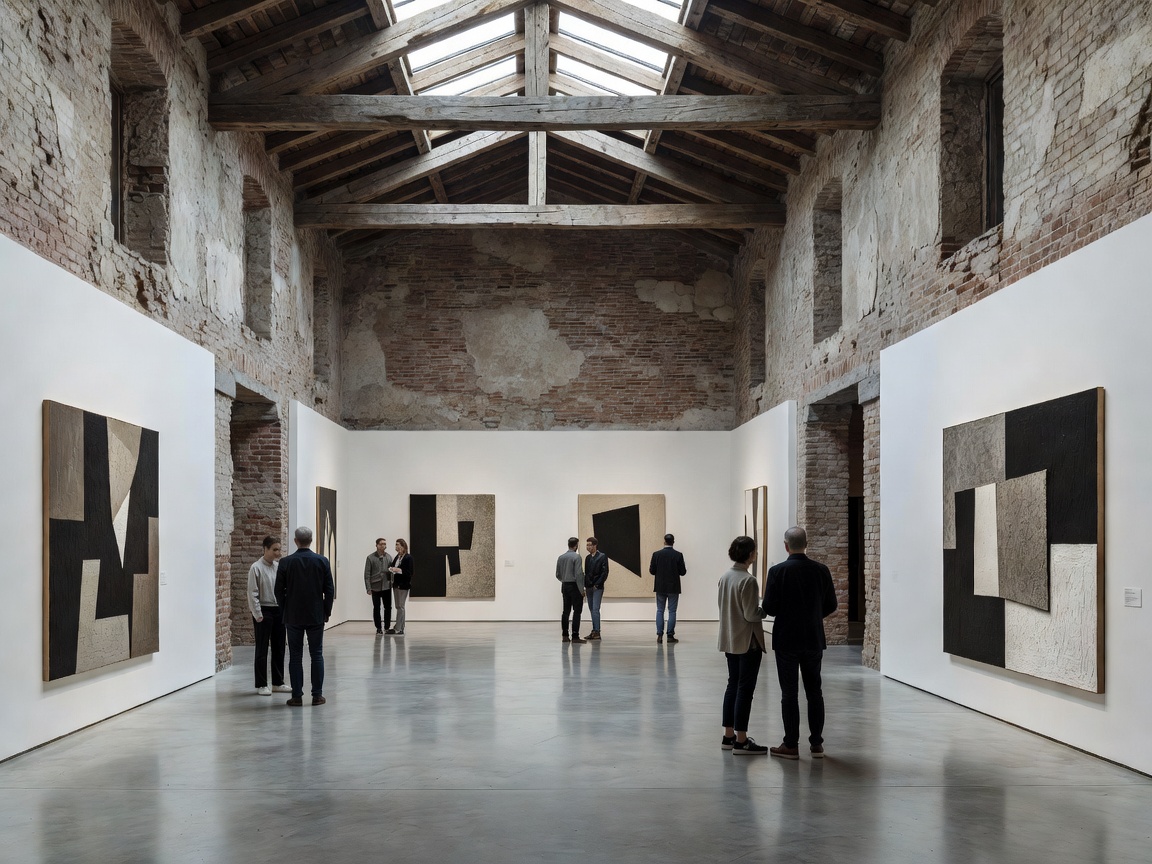
Layered urban fabric
Pair contemporary spaces with the city’s varied architecture while planning for slopes, route length and access.
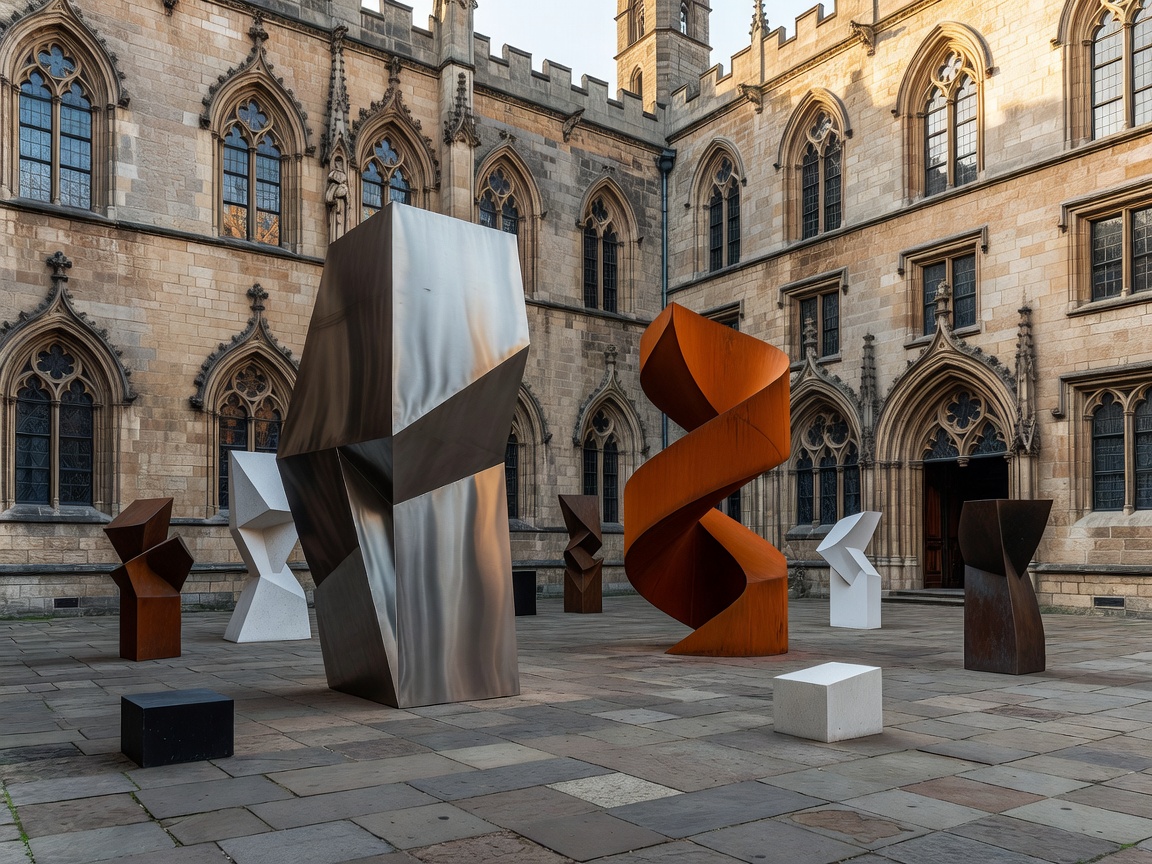
History and now
Look for contemporary perspectives within a city shaped by long architectural histories.
A balanced approach